SW12 rug cleaning insider tips for Balham flat owners
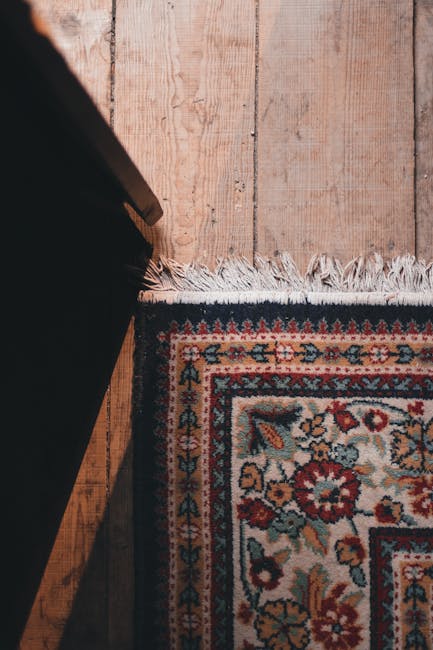
If you live in a Balham flat, you already know the drill: stairs that are a bit tight, rooms that do double duty, and a rug that seems to catch every bit of city life. That is exactly why SW12 rug cleaning insider tips for Balham flat owners matter. A rug in a compact flat gets more foot traffic, more crumbs, more muddy shoes by the door, and often more pet hair than you'd like to admit. Truth be told, it can go from "looks fine" to "why does it smell like that?" rather quickly.
This guide is built for real flats, real rooms, and real-life mess. You'll get practical cleaning steps, common mistakes to avoid, methods that actually suit apartment living, and a few local-minded pointers that make the whole job easier. If you are weighing up whether to handle a rug yourself or book a specialist service, you'll find that covered too.
Why SW12 rug cleaning insider tips for Balham flat owners Matters
In a flat, a rug is never just a rug. It is a landing pad for shoes, a soft spot for children to sit, a buffer against echo, and often the thing tying the whole room together. In SW12, that matters even more because many homes are compact, split over upper floors, or simply busy enough that surfaces take a beating. A rug that is ignored can hold onto dust, cooking odours, pet smells, pollen, and grit from the street. You notice it most when the afternoon light lands on the fibres and suddenly, well, there it is.
Good rug care is not about making everything look showroom-perfect. It is about keeping the fibres in decent shape, protecting the backing from damp, and stopping everyday dirt from grinding its way deeper into the pile. Once that happens, a quick tidy-up no longer works. That is when local flat owners start wishing they had done the basics earlier. Happens all the time.
Another reason this topic matters is space. Flat owners in Balham often have fewer places to shake out, rinse, or dry a rug safely. So the strategy has to be smarter. Smaller, more controlled steps. Better drying. Less water. More attention to airflow. And if you are dealing with a delicate wool rug, a flat-weave piece, or something with fringes that tangle if you look at them the wrong way, you want an approach that respects the material rather than bulldozing through it.
Key takeaway: in a Balham flat, the best rug cleaning plan is usually the one that uses the least moisture, the least disruption, and the most common sense.
How SW12 rug cleaning insider tips for Balham flat owners Works
At a practical level, rug cleaning is a mix of dry soil removal, spot treatment, controlled washing or extraction, and proper drying. That sounds simple. It rarely feels simple when you are trying to do it between the sofa, the coffee table, and a hallway that barely fits a drying rack.
The process usually starts with a thorough vacuum. Not a rushed once-over. A proper vacuum loosens grit before it becomes abrasive. Then you inspect for stains, wear spots, colour loss, moth damage, or loose threads. If you are dealing with a spill, you need to identify what it is first: food, grease, pet urine, drink residue, or something oily from shoes. Different stains behave differently. Some break down with light detergent, some need specialist stain removal, and some are best left alone until they can be treated properly.
After that comes the cleaning method. In flats, low-moisture approaches are often the safest starting point because they reduce the risk of soaked underlay, slow drying, and damp smells. Steam-based cleaning, also called hot water extraction in many contexts, can work very well on the right rug, but only if the material, dye stability, and drying conditions suit it. That is where judgement matters. A good result is not just about cleaning power; it is about whether the rug can recover cleanly afterwards.
If you are using a professional cleaner, the most useful part of the process is often the pre-check. A decent technician will look at fibre type, construction, dye sensitivity, and where the rug lives in the flat. A hallway runner near the front door needs a different approach from a decorative wool piece in the lounge. Simple, but easily overlooked.
Key Benefits and Practical Advantages
There is a very ordinary but important benefit to keeping rugs properly clean: they last longer. Dirt and grit act like fine sandpaper. Step on them enough times and the fibres flatten, dull, and wear unevenly. Once you notice the "traffic lane" effect, you are already well into maintenance territory.
Beyond lifespan, there are a few practical advantages Balham flat owners really feel day to day:
- Better air quality inside the flat - rugs trap dust and fine particles, so regular cleaning helps reduce that stale, lived-in feeling.
- Less odour build-up - useful if you cook often, have pets, or keep windows closed on damp days.
- Improved appearance - colours look clearer, texture feels softer, and the room can suddenly seem lighter.
- Reduced stain setting - fresh spills are far easier to remove than old ones.
- Safer flooring - a rug that lies flat, dry, and clean is less likely to curl, slip, or get musty underneath.
There is also the emotional bit, if we are being honest. A clean rug makes a flat feel cared for. Not fancy. Just looked after. And that matters when your home is one of those places where kitchen, dining, work, and lounging all happen in the same few square metres.
Who This Is For and When It Makes Sense
This advice is for Balham flat owners who want a cleaner home without creating a weekend disaster. If your rug is in a small living room, a studio, a shared flat, or a compact hallway, the way you clean it needs to match the space. You cannot always drag a large rug outside, hose it down, and wait for a breezy garden day. Let's face it, most SW12 flats are not set up for that kind of luxury.
You will benefit most from these tips if:
- your rug sees daily foot traffic from shoes, pets, or children;
- you have a wool, wool-blend, or delicate decorative rug;
- you rent and want to keep the flat looking presentable;
- you have noticed pet odours, food spots, or dull patches;
- you need a cleaning approach that avoids flooding floors or upsetting neighbours with noise and mess;
- you are comparing DIY care with a professional option such as specialist rug cleaning.
It also makes sense if you are not sure whether the issue is surface dirt or something deeper. A rug can look okay on top and still be holding residue underneath. That is a common one. A bit annoying, too.
Step-by-Step Guidance
If you want a straightforward routine that works in a flat, start here. No drama, no fancy kit you will never use again.
- Move the rug if you can do so safely. If it is small enough, take it somewhere with better light and ventilation. A hallway or living room can work for dry care, but stains are easier to assess in daylight.
- Vacuum both sides. The underside collects dust and grit too. If the rug is fringed, use a gentler attachment. Do not yank the fibres around.
- Check the label or fibre type. Wool, synthetic, cotton, silk, viscose, and blends all respond differently. If you are unsure, be cautious. Very cautious, if it is a delicate piece.
- Test any cleaning solution. Try a small hidden patch first. Look for dye bleeding, texture change, or fuzzing.
- Treat stains individually. Blot, do not rub. Work from the outside in. Use the least moisture needed to lift the mark.
- Use controlled cleaning, not soaking. In flats, excess water can seep into the underlay, floorboards, or edges and cause smells or warping.
- Dry it quickly and evenly. Open windows if weather allows, switch on airflow, and keep the rug flat or well-supported. Damp corners are where problems start.
- Brush or finish the pile gently. Once dry, restore the nap with light brushing if the fibre type allows it.
If the rug has a persistent stain, heavy odour, or colour instability, stop the DIY experiment before it becomes an expensive lesson. That is usually the moment to look into professional stain removal or a more specialised service.
Expert Tips for Better Results
These are the small things that make a noticeable difference. Not glamorous, but they work.
- Vacuum slowly. Fast passes miss fine grit sitting deeper in the pile. Slow wins here.
- Blot with clean white cloths. Coloured towels can transfer dye when they are damp, which is a nightmare you do not need.
- Work on one stain at a time. If you start chasing three marks at once, you lose control very quickly.
- Use minimal product. More cleaner is not more effective. It often just leaves residue that attracts dirt.
- Mind the backing. A rug can look dry on the top while still being damp underneath. That hidden moisture is the sneaky bit.
- Rotate the rug regularly. If one side always takes the foot traffic and sunlight, wear becomes uneven.
- Deal with smells at the source. If there is a pet accident, for example, cleaning the surface is only part of the job. Odour can linger deeper in the fibres and backing, which is why pet stain and odour treatment is often the better route.
A small practical note: London flats can feel damp in winter, even when they are warm. If you clean a rug on a cold evening and the windows are shut tight, drying can drag on longer than expected. That is where a fan, a dehumidifier, or a well-planned appointment becomes more valuable than another round of spraying. Sometimes the boring answer is the good answer.
And if the rug is part of a wider refresh, it may be worth thinking about the rest of the room too. A clean rug next to dusty upholstery can look a bit odd, frankly. In that case, related services such as upholstery cleaning or sofa cleaning can bring the whole space back into balance.
Common Mistakes to Avoid
Most rug damage does not come from one catastrophic event. It comes from a handful of small errors repeated over time. Very human stuff, really.
- Rubbing stains aggressively. This pushes the spill deeper and can distort the pile.
- Using too much water. Over-wetting is one of the easiest ways to cause lingering smells and slow-drying damage in a flat.
- Skipping the test patch. A cleaner that works on one rug can ruin another.
- Ignoring the backing and edges. A clean top with soggy edges is not actually a clean rug.
- Cleaning without enough airflow. Damp rugs in enclosed rooms can smell musty quickly.
- Assuming every rug can be steam cleaned. Not all fibres or dyes tolerate the same method.
- Leaving pet accidents until later. The smell sets in. The longer you wait, the harder it is.
There is also the "it looks fine, I'll sort it next month" mistake. We have all done that with at least one thing in the flat. Rugs, though, are not especially forgiving. If a stain sits too long, it can become permanent or leave a shadow even after cleaning. Not ideal.
Tools, Resources and Recommendations
You do not need an enormous toolkit to care for a rug well. A sensible small kit beats a drawer full of random bottles every time.
| Tool or item | Why it helps | Best use in a flat |
|---|---|---|
| Vacuum with adjustable suction | Lifts grit without tugging delicate fibres | Weekly maintenance and dry soil removal |
| White microfibre cloths | Good for blotting without colour transfer | Spot treatment and spill response |
| Soft brush | Helps loosen surface dust and restore pile | Gentle finishing after drying |
| Mild rug-safe cleaner | Supports controlled stain treatment | Small marks and light soiling |
| Fan or dehumidifier | Speeds drying and reduces musty smells | After wet cleaning in compact rooms |
If you are deciding whether to clean a rug yourself or call in help, the main question is not "Can I buy the kit?" It is "Can I dry this properly, and do I know how this fibre will react?" That is the real test. If the answer is shaky, professional support is the safer move. You can also compare options and expectations through pricing and quotes before committing.
For readers who care about the wider home environment, it may also help to think about the rest of the textiles in the flat. Rugs, curtains, mattresses, carpets, and upholstery all collect dust in slightly different ways. A coordinated clean often feels more effective than chasing one item at a time. If that is your situation, pages like curtain cleaning, mattress cleaning, and carpet cleaning can be useful reference points.
Law, Compliance, Standards, or Best Practice
Rug cleaning in a private flat is not a heavily regulated activity in the way some trades are, but a few best-practice points still matter. First, any professional cleaner working in your home should handle equipment safely, respect your property, and explain what they are doing clearly. That is basic professionalism, not a bonus.
If you are booking a service, it is sensible to check insurance and general safety arrangements. Ask whether the cleaner has appropriate public liability cover and whether they follow safe working practices around water, electricity, and cleaning products. For your own peace of mind, it is reasonable to review the company's insurance and safety information and their health and safety policy. That is not being fussy. That is being careful with your home.
UK consumer expectations also favour clear pricing, straightforward communication, and a fair complaints process. If anything ever goes off-track, it helps when the company has a visible complaints procedure and transparent terms. No one plans to use those pages, obviously, but they tell you a lot about how a business operates.
On a more practical level, if water or cleaning fluid could affect flooring, timber boards, or shared communal areas, best practice is to keep moisture controlled and contain the work properly. In flats, that is not just considerate; it can prevent avoidable damage. A little caution goes a long way.
Options, Methods, or Comparison Table
Not every rug needs the same treatment. The right method depends on fibre, soil level, room layout, and how much drying time you can realistically manage. Here is a simple comparison to make the decision easier.
| Method | Best for | Advantages | Limitations in a flat |
|---|---|---|---|
| Dry vacuuming and spot care | Routine maintenance, light marks | Fast, low-risk, minimal moisture | Won't remove deep soil or strong odours |
| Hand cleaning with mild solution | Small stains, careful home care | Cheap, targeted, easy to control | Can leave residues or uneven marks if rushed |
| Low-moisture professional cleaning | Flats, delicate rugs, limited drying space | Controlled drying, less disruption | May not suit every heavy-soiled rug |
| Steam or hot water extraction | Compatible synthetic or robust rugs | Strong deep-cleaning potential | Risk of over-wetting if the fibre or room setup is wrong |
| Specialist stain or odour treatment | Pet accidents, stubborn spill marks | Targets specific problems more effectively | May need a professional assessment first |
For many Balham flats, the sweet spot is a combination approach: regular vacuuming, quick spill response, and periodic specialist cleaning when the rug starts to look tired or smell a bit off. That balances upkeep with convenience, which is usually what people actually want.
Case Study or Real-World Example
Here's a very typical SW12 scenario. A couple in a second-floor flat near Balham keep a medium-sized rug in the living room. It looks fine most of the time, but by late winter it starts to feel flat and a little dusty. One side has a faint darker strip where the sofa and foot traffic meet, and there is a weak dog smell after rainy walks. Nothing dramatic. Just enough to make the room feel less fresh.
The first instinct is to spray a general cleaner and scrub harder. That would probably have left the pile patchy and the backing damp. Instead, the better approach is: vacuum both sides, spot-treat the mark carefully, check fibre type, and use a controlled low-moisture clean with fast drying. The result is less about "wow, brand new" and more about "ah, that feels like home again." Which, to be fair, is often the real goal.
The couple also notices that the rug now picks up less visible fluff because the fibres are lifted again. The room feels brighter. The dog smell is gone. Not glamorous, just useful. And the best bit? They now know the early signs that tell them when the rug needs attention before it gets to that point again.
Practical Checklist
Use this before you start cleaning a rug in your flat. It keeps things orderly, which is half the battle.
- Identify the rug fibre and construction if possible.
- Vacuum the top and underside carefully.
- Inspect for loose threads, fading, worn patches, and stains.
- Test any cleaner on a hidden corner first.
- Blot stains; do not rub.
- Keep moisture low and controlled.
- Prepare airflow for drying before you start.
- Keep pets and children off the rug until fully dry.
- Check the backing and edges for hidden dampness.
- Rotate the rug later to spread wear more evenly.
If you reach the point where the rug still looks dull, smells musty, or keeps showing the same mark, that is usually the signal to get expert help rather than repeating the same home routine. No shame in that. None at all.
Get a free quote today and see how much you can save.
Conclusion
For Balham flat owners, rug cleaning is less about brute force and more about making smart choices in a limited space. Keep moisture under control, act quickly on spills, understand your rug's fibre, and dry everything properly. Those simple habits do more than most people expect. They protect the rug, the flooring underneath, and the feel of the whole room.
If you remember only one thing, let it be this: a clean rug should make your flat feel easier to live in, not harder. That is the real standard. Fresh underfoot, less fuss, fewer surprises. Nice and steady.
And if the rug needs more than a tidy-up, take that as a sign to get proper support rather than forcing another DIY round. A little care now saves a lot of bother later, and that is usually the wiser path.
Frequently Asked Questions
How often should a rug be cleaned in a Balham flat?
Most flat owners do best with regular vacuuming and deeper cleaning when the rug starts to look dull, smell stale, or show traffic wear. High-use rugs may need attention more often than decorative pieces.
Can I steam clean every rug at home?
No, not safely. Some rugs can handle steam or hot water extraction, but others may shrink, bleed, or distort. Always check fibre type and test a hidden area first, or use a specialist if you are unsure.
What is the safest way to remove a fresh spill?
Blot immediately with a clean white cloth, working from the outside of the spill inward. Avoid rubbing, because that spreads the stain and drives it deeper into the fibres.
Why does my rug smell damp even after cleaning?
That usually means moisture has stayed trapped in the pile or backing for too long. In flats, slow drying is a common issue, especially in cooler weather or rooms with poor airflow.
Are wool rugs harder to clean than synthetic ones?
Usually, yes. Wool is durable but more sensitive to harsh products, excessive moisture, and incorrect drying. Synthetic rugs can be easier to maintain, but they still need the right method.
Should I move the rug before cleaning it?
If it is manageable and safe to move, yes. Better light and airflow make inspection and drying easier. If the rug is large or awkward, keep it in place and work carefully around the room layout.
What is the biggest mistake flat owners make with rug cleaning?
Over-wetting. It is the one that causes hidden moisture, delayed drying, musty smells, and sometimes damage to the floor beneath. It feels like you are doing more, but you may be causing more trouble.
How do I know if a stain needs professional treatment?
If the stain is old, oily, pet-related, or still visible after a careful first attempt, professional treatment is usually the better option. Deep stains often need a more targeted approach.
Can rug cleaning help with allergies?
It can help reduce dust and trapped particles, which may make the room feel fresher. That said, rug care is not a medical treatment, so it should be seen as part of a cleaner home routine rather than a cure-all.
Is it worth booking a professional rug cleaner for a small flat?
Often, yes. Small flats can be harder to dry properly and easier to over-wet, so a professional with the right method can save time and reduce risk, especially for delicate or valuable rugs.
How can I keep a rug cleaner for longer between deep cleans?
Vacuum regularly, wipe shoes at the door, rotate the rug, treat spills quickly, and avoid letting grit build up. Those basics make a bigger difference than most people expect.
What should I check before letting a cleaner work in my flat?
Ask about insurance, safety, drying expectations, and whether they understand your rug's material. It also helps to review the company's policies so you know how they handle service, payment, and complaints if needed.